
 OMETIMES THE NAME OF A BRAND, OR MODEL, OR PRODUCT LINE SOUNDS PERFECTLY FINE... until it lands in another country and detonates linguistically. Take the Ford Pinto: a normal compact car in the United States. In Brazil? "Pinto" is slang for small male genitalia. Suddenly, your product launch isn't so dignified anymore.
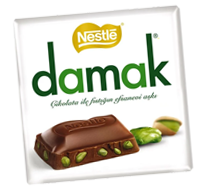 Or consider Damak by Nestlé—a premium Turkish chocolate bar. In Cebuano, "damak" can mean dirty or messy. A name meant to signal indulgence in one market can suggest something far less appetizing in another.
And that's just the warm-up.
CARS THAT SHOULD'VE CHECKED GOOGLE TRANSLATE
 ar companies love bold product names. Power. Speed. Prestige. Then reality happens.
The Mitsubishi Pajero had to be renamed "Montero" in Spanish-speaking markets because "pajero" is crude slang (roughly equivalent to "wanker"). Not exactly aspirational marketing.
Then there's the legendary tale of the Chevy Nova supposedly flopping in Latin America because "no va" means "doesn't go." The truth? That story is mostly marketing folklore—the Nova actually sold reasonably well. But the myth stuck because it sounds believable. And that's half the danger.
Even Toyota's MR2 needed careful handling in French-speaking regions. Say "MR2" out loud in French (em-er-deux), and it edges dangerously close to "merde." Which... you don't want associated with your sporty coupe.
Cars are serious business—until branding hits language.
WHEN SWEETS BACKFIRE
 ood brands aren't safe either.
Japan's popular drink Calpis had to be renamed Calpico internationally because, to English ears, "Calpis" sounds suspiciously like "cow piss." Not ideal hydration branding.
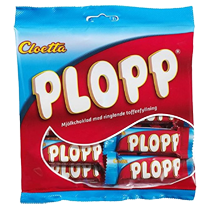 Sweden's chocolate bar Plopp is perfectly innocent at home. In English? Let's just say it sounds... gastrointestinal.
Then there's Pocari Sweat, a beloved sports drink across Asia. Completely normal regionally, and very popular in Japan. In English-speaking markets, however, it sounds like something you'd wipe off gym equipment.
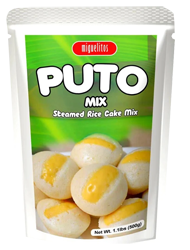 And consider Miguelito's Puto Steamed Rice Cake Mix—a classic Filipino dessert product. In the Philippines, "puto" is a beloved traditional snack. But in Spanish-speaking countries, "puto" is vulgar slang referring to a male prostitute. Same spelling. Very different cultural context. Suddenly your innocent dessert mix sounds like it wandered into the wrong language entirely.
LOST IN TRANSLATION (OR MAYBE JUST MARKETING LORE)
 ruth be told: some of the most famous branding disasters live in the gray zone between fact and fable.
KFC's "Finger-lickin' good" supposedly became "Eat your fingers off" in China. Pepsi allegedly promised to bring ancestors back from the dead. Coca-Cola is often said to have once translated phonetically into something resembling "bite the wax tadpole."
Were there awkward early translations? Likely. Were they quite that dramatic? Probably not.
But here's the interesting part: we want to believe these stories. Because they perfectly capture how fragile language can be when it crosses borders.
FASHION AND TECH FUMBLES
 ven furniture and celebrity brands aren't immune. IKEA once sold a children's desk called "Fartfull," which in Swedish simply means "full of speed." In English-speaking countries? It sounds like something a five-year-old would name on purpose.
 Cristiano Ronaldo's CR7 line sounds sleek globally... until you're in the Philippines, where "CR" commonly means comfort room. Suddenly your premium fragrance or sneaker collab is making people think of bathrooms.
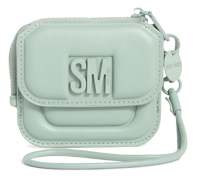 And it's not just celebrities. Steve Madden's SM initial looks posh on a leather bag... until you're in Manila, and elsewhere in the country, where SM is synonymous with the giant mall chain. Suddenly your stylish hand bag feels like mall-brand accessory.
Tech products tread carefully too. Model numbers, colors, and product names are often tweaked in different countries to avoid unlucky numbers, unfortunate slang, or accidental double meanings.
Because once something goes global, it's no longer just a word. It's cultural baggage.
WHY GLOBAL BRAND NAME FAILS KEEP HAPPENING
Language isn't just vocabulary—it's a living thing. It's slang, tone, history, humor, and centuries of cultural nuance packed into a single syllable.
A brand name that sounds sleek in one country can sound ridiculous, vulgar, or unsanitary somewhere else. And once consumers start laughing, it's very hard to make them stop. It's funny—until your multimillion-dollar product launch becomes a meme.
THE REAL LESSON
 oing global isn't just about exporting products. It's about understanding people.
Before you print a million labels, run a marketing campaign, or emboss a logo onto a car hood, you need more than translation. You need local insight. You need someone who knows the slang. Preferably someone under 30.
Because somewhere right now, a branding team is approving a name that sounds perfectly brilliant... In exactly one country. (APJ)