
 IET TRENDS AND FADS ARE SUPPOSED TO BURN BRIGHT AND FADE FAST. Juice cleanses, detox teas, miracle macros—most arrive with certainty and leave quietly. But over the last six years, a handful of eating philosophies didn't just survive the cycle; they adapted, softened, and embedded themselves into everyday food culture. They stopped behaving like diets and started functioning more like defaults.
Here are the diet trends that persisted—and why they're still shaping how we eat.
PLANT-FORWARD EATING (NOT VEGAN, NOT APOLOGETIC)
Plant-based eating didn't win by convincing everyone to give up meat. It won by lowering the stakes. Instead of rigid veganism, the dominant shift has been toward plant-forward eating: vegetables as the center of the plate, meat as an accent, and dairy as optional.
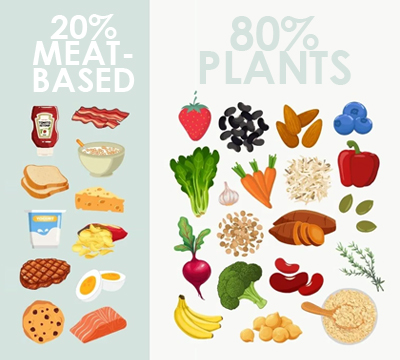
Embracing a plant-forward lifestyle at a glance: delicious meal options that prioritize plants such as fresh vegetables, grains, and herbs, without sacrificing flavor.
Oat and almond milk's quiet takeover of coffee shops is the clearest example. It didn't replace dairy; it joined it. The same goes for meatless Mondays, vegetable-driven restaurant menus, and flexitarian grocery shopping. Climate awareness helped push the trend, but convenience and taste sealed it. People didn't want a new identity—they wanted options.
FUNCTIONAL FOODS AND THE RISE OF FOOD AS WELLNESS
Over the last six years, food stopped being just food. It became aspirational wellness.
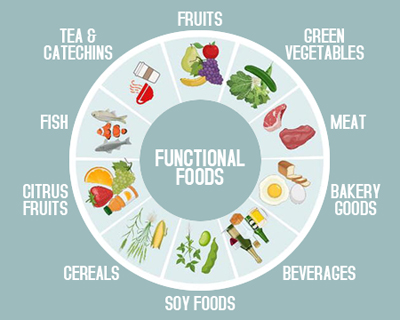
Functional foods such as fruits and berries, green vegetables, cereals, tea and catechins, soy, fish, and meat, blur the line between nutrition and medicine, turning everyday meals into tools for long-term wellness.
Functional foods—from adaptogens and probiotics to mushroom coffee, collagen powders, and even apple cider vinegar—moved from supplement shelves into everyday products. ACV, often sipped before meals, has gained popularity for appetite control, digestive comfort, and blood sugar support. You no longer need a cabinet full of pills to feel like you're "doing something" for your health; it's built into your latte, your granola bar, or your morning ritual.
The science varies, and skepticism is warranted. But culturally, functional foods endure because they promise low-effort optimization. You eat the same way—just smarter, supposedly.
THE PROTEIN OBSESSION THAT CROSSED EVERY DIET
If there's one macro that defined the last six years, it's protein.
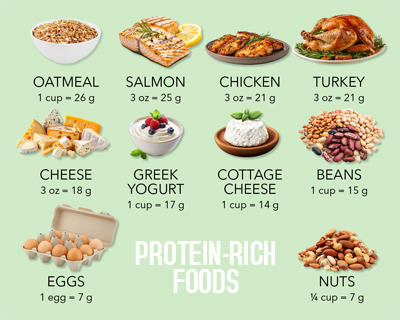
Protein-rich foods such as eggs, fish, lean meat, legumes, tofu, and nuts, form the foundation of strength, satiety, and everyday nourishment across modern diets.
High-protein yogurts, snacks, cereals, and frozen meals now dominate grocery aisles. Protein is no longer just for gym culture; it's shorthand for satiety, strength, and discipline. Even plant-forward eating has been reshaped around it, with legumes, tofu, and pea protein positioned as solutions rather than compromises.
Protein's staying power comes from its flexibility. Whether you eat meat, plants, or both, high-protein diets promise results without demanding ideological commitment.
GUT HEALTH AS A GUIDING FRAMEWORK
Gut health quietly became one of the most influential food philosophies of the past decade.
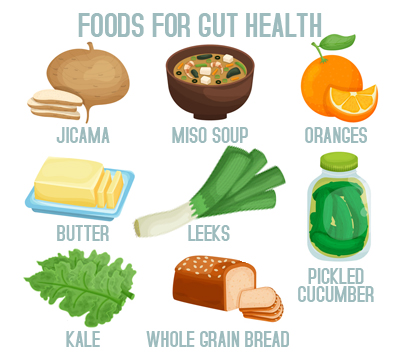
Gut health—enhcanced by foods like yogurt, fermented vegetables, whole grains, and fresh produce—has emerged as a guiding framework for understanding how digestion, immunity, and overall well-being are deeply connected.
Fermented foods like kimchi, kefir, yogurt, and miso went mainstream. Fiber got a rebrand. Digestive comfort became something people discussed openly. Rather than chasing restriction or weight loss alone, many shifted toward the idea of supporting the body from the inside out.
The appeal is its accessibility. You don't need to overhaul your life—just add variety, eat more plants, and rethink ultra-processed foods. It's less a diet than a lens through which choices are made.
INTERMITTENT FASTING, MINUS THE EVANGELISM
Intermittent fasting peaked loudly and persisted quietly.
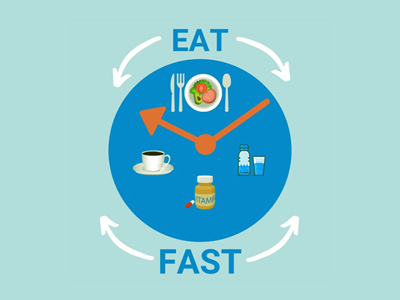
Intermittent fasting is increasingly framed as an eating pattern, not a belief system, emphasizing timing and options rather than restriction.
The rigid rules—strict eating windows, fasted workouts, biohacker protocols—have softened. What remains is behavior. People stop eating earlier. Skip breakfast if they're not hungry. Avoid late-night snacking. Many no longer call it fasting at all.
That adaptability explains why intermittent fasting endured. It requires no special foods, no subscriptions, and no loyalty. It bent to real life—and became invisible.
SUSTAINABILITY-AWARE EATING
Sustainability isn't a diet, but it reshaped diets all the same.
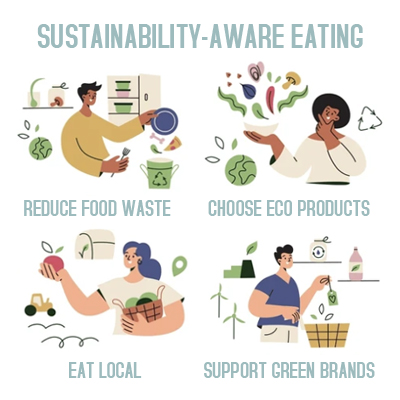
Sustainability-aware eating reflects a growing consideration of how food choices intersect with environmental impact, sourcing, and long-term resilience.
Seasonal menus, local sourcing, reduced food waste, and transparency around production became meaningful signals. Pandemic-era supply disruptions made food systems visible in new ways, accelerating interest in sustainable eating.
For most people, this didn't mean perfection. It meant consideration. Choosing plant-forward meals sometimes. Buying local when possible. Thinking twice about excess. That realism helped the trend persist.
WHY THESE TRENDS LASTED
 hat all the most successful food trends of the last six years share is flexibility. None demand purity. None insist on total compliance. They overlap, contradict, and coexist—often in the same kitchen, sometimes even on the same plate. These approaches didn't promise transformation. They promised continuity—habits you could fold into real life without turning it upside down. When a diet stops feeling like a diet at all, it stops needing hype to survive; it simply becomes the way you eat. (APJ)